
American Allegiance Pest Control
Blog
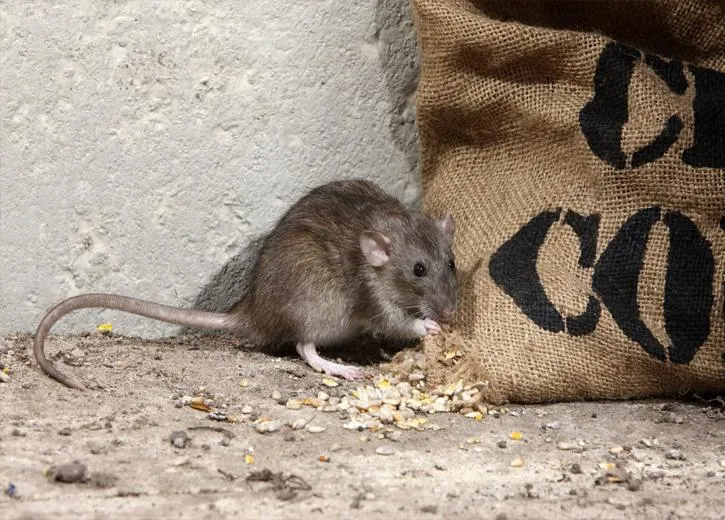
When to Call a Pro for Rodent Entry Point Sealing in Fort Myers
Introduction
Fort Myers homeowners deal with year-round rodent pressure thanks to warm temperatures, plentiful food sources, and storm-related structural vulnerabilities. While DIY rodent traps or baits can help temporarily, rodents always return unless the home is sealed correctly. Entry points—some as small as a marble—are the real reason infestations keep recurring.
The problem is that most entry points aren’t obvious. Rodents use hidden routes like attic voids, roof gaps, crawl-space penetrations, and utility lines. Even newer homes in Fort Myers aren’t immune, especially after storms that loosen soffits or create micro-gaps. Knowing when to stop trying DIY solutions and call a professional can save you thousands in damage and months of frustration.
This guide explains how rodents get in, how to recognize early invasion signs, and when it’s time to call a professional for proper exclusion and sealing.
Why Rodents Get Inside Fort Myers Homes
Rodents don’t enter homes at random. They follow a predictable pattern based on food, shelter, temperature, and access.
Climate-driven pressure
Fort Myers’ consistent warmth means rodents reproduce year-round. Storms and high humidity push them toward attics, garages, and interior walls where it’s dry.
Structural vulnerabilities
Storms, heat expansion, and normal home aging create small gaps around:
roof edges
soffits
crawl spaces
AC line penetrations
garage seals
siding transitions
Rodents only need an opening the size of a dime to squeeze through.
Food and harborage
Fort Myers neighborhoods with heavy vegetation, fruit trees, palm debris, or water sources naturally attract rodents. Trash bins, pet food, and stored items near the home amplify the pressure.
How Rodents Enter Homes in Fort Myers
Below are the most common access points professionals find during real inspections in Southwest Florida.
Roof intersections
Where two rooflines meet, tiny gaps often form. Rodents climb easily and slip into attic vents or soffit edges.
Soffit and fascia openings
Even a slight separation from storm winds gives rats a direct path into attics. Fort Myers soffits loosen easily after tropical weather.
Crawl space gaps
Any opening along foundation vents or exterior piping becomes a pathway, especially for smaller rodents.
Utility line penetrations
AC linesets, electrical conduits, and cable entrances frequently have unsealed openings around them.
Garage door seals
Worn, cracked, or flattened bottom seals give rodents easy access to stored items—and from there, interior walls.
Signs You Need Professional Entry Point Sealing
Below are clear indicators that DIY efforts won’t work and a professional is required.
You hear activity in the attic or walls
Sounds like scratching, scurrying, or thumping at night indicate rodents are already inside. This means the entry point is active and must be located and sealed.
You’ve set traps but activity continues
If traps keep catching rodents—or worse, stop catching them while signs continue—this means new rodents keep entering through the same entry point.
You see droppings in multiple areas
Droppings in the attic, kitchen, and garage at the same time suggest multiple entry points or internal movement pathways.
You smell odors or notice insulation damage
Strong urine smells, shredded insulation, and greasy rub marks indicate long-term occupancy. At this stage, professional sealing is mandatory.
You have recurring infestations
If rodents return every few months, the home has structural vulnerabilities that DIY patching can’t solve.
Step-by-Step Guide: When to Call a Professional
Below is a clear process that helps you determine whether to handle an issue alone or bring in a specialist.
1. Perform a full visual inspection around the home
Walk the perimeter and look for:
torn soffits
loose fascia
lifted roof shingles
gaps around pipes
chew marks
droppings near exterior walls
If you find more than one of these, a pro should inspect further.
2. Check attic and garage for early indicators
Look for shredded insulation, nesting material, droppings, or gnawing. Even one of these signs indicates an active pathway.
3. Consider recent weather conditions
After storms—especially in Fort Myers—roofs, soffits, and vents often loosen just enough to allow rodent access. If you’ve experienced recent storms, assume vulnerabilities exist until proven otherwise.
4. Evaluate whether you can identify the entry point
If you can’t locate the source within 15–20 minutes, the opening is likely hidden inside walls, roofline intersections, or inaccessible spaces. These require trained technicians.
5. Decide based on risk, urgency, and cost
Rodents chew wiring, contaminate food, damage insulation, and reproduce rapidly. The longer they stay inside, the more expensive the repair. In most cases, calling a pro early saves significant long-term cost.
Additional Tips to Reduce Rodent Pressure
Here are extra measures that help you prevent reinfestation and make your property less attractive:
• Trim tree branches at least three feet away from the roofline
• Reduce clutter around exterior walls
• Store pet food in sealed bins
• Keep trash bins closed and rinsed
• Relocate firewood and stored materials away from the foundation
• Inspect AC lines and utility penetrations quarterly
These steps don’t replace exclusion, but they reinforce professional sealing.
FAQs
How long does professional rodent sealing last?
High-quality exclusion can last years. Pros use metal mesh, steel wool, sealant, and construction materials that rodents cannot chew through.
Can small entry points really cause major infestations?
Yes. Rats and mice exploit extremely small openings, and once inside, they widen the gaps through chewing.
Why do I still hear noises after placing traps?
Traps catch individual rodents, but the entry point remains open. More rodents will continue entering until it’s sealed.
Do Fort Myers storms increase rodent activity?
Absolutely. Storms displace rodent populations, loosen structures, and increase indoor rodent migration.
Can rodents damage air conditioning systems?
Yes. They often chew insulation around AC linesets and sometimes damage wiring inside the unit itself.
Conclusion
Rodent problems in Fort Myers are rarely just an infestation—they’re almost always a sign of structural access. While traps and repellents may offer temporary relief, the only true solution is identifying and sealing the entry points. Professionals know where rodents hide, what gaps they exploit, and how to permanently block access using materials specifically designed for exclusion.
If you’ve noticed signs of activity, heard noises at night, or dealt with recurring infestations, it’s time to have a professional evaluate your home. Effective sealing protects your property from further damage, reduces health risks, and provides long-term peace of mind.

Our Services
Helpful Links
Areas Served
Contact Information
12011 Amedicus Lane Unit 1 Fort Myers, Florida 33907
Mon - Fri: 8:00 am - 4:30 pm
Sun: Closed
*After-Hours Available by Appointment
Emergency Services Available
© 2025 All Rights Reserved | American Allegiance Pest Control