
American Allegiance Pest Control
Blog
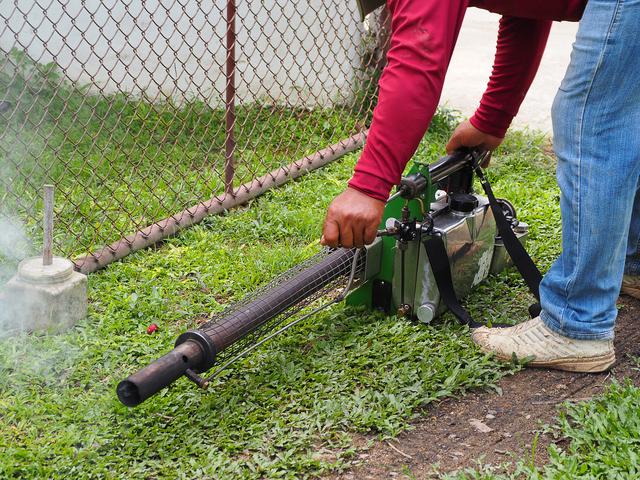
Pet-Friendly Tick Control Tips for Fort Myers Yards
Introduction
Ticks are becoming an increasing concern for Fort Myers homeowners, especially those with dogs, outdoor cats, or pets that roam through yards and patios. While many residents associate tick problems with wooded areas in northern states, Southwest Florida’s warm, humid environment allows ticks to breed year-round. That means pets can be at risk even in well-maintained yards, and homeowners often underestimate how quickly a tick population can develop.
The challenge is keeping your yard safe for pets without exposing them to harsh chemicals or treatments that could irritate their skin, contaminate toys, or harm beneficial wildlife. This guide explains how Fort Myers homeowners can manage ticks effectively with pet-friendly methods that provide long-term, reliable protection.
Why Ticks Are a Problem in Fort Myers
Fort Myers offers the exact conditions ticks need to thrive, and pets become the primary carriers.
Warm climate enables year-round activity
Ticks remain active even during winter months. When temperatures don’t drop low enough to interrupt their life cycle, populations grow continuously.
High humidity
Moisture helps ticks survive longer between hosts, allowing them to climb vegetation and wait for pets to pass by.
Wildlife activity
Raccoons, squirrels, rabbits, and feral cats often travel through backyards in Fort Myers. They drop ticks along the way, creating hotspots that pets walk through daily.
Dense vegetation
Shaded areas, overgrown shrubs, and thick ground cover create cooler microclimates—ideal for ticks escaping the intense Florida sun.
Where Ticks Hide in Fort Myers Yards
Homeowners often assume ticks hide only in tall grass, but they use many areas that pets encounter regularly.
Perimeter vegetation
Ticks stay along fence lines, hedges, and the edges of yards where vegetation creates shade and moisture.
Under decks and patios
Shaded, sheltered spaces provide relief from direct sunlight and are often frequented by pets.
Leaf litter and mulch
These materials hold moisture extremely well, making them prime hiding spots.
Overwatered or dense lawn areas
Ticks sit on the tips of grass blades and latch onto pets as they brush past.
Signs Your Yard May Have Tick Activity
Below are common indicators that your yard is developing or supporting a tick population.
Increased wildlife traffic
If you see animals crossing your yard regularly, assume ticks are being introduced to the area.
Pets scratching or licking excessively
Ticks often attach in hidden spots such as behind the ears, under collars, and in leg folds, causing irritation.
Dark specks on pet bedding
These may be tick droppings or immature ticks that fell off pets indoors.
Ticks found after outdoor time
Finding ticks on pets even once per week means the yard is an active breeding zone.
Pet-Friendly Tick Control Tips for Fort Myers Yards
Below is a structured approach that prioritizes pet safety while effectively reducing tick populations.
1. Start with safe yard modifications
The goal is to make your yard less attractive to ticks and the wildlife that introduces them.
Focus on:
trimming shrubs to improve airflow
keeping lawn height at recommended levels
clearing leaf litter and debris weekly
removing wood piles or storing them away from the home
reducing dense ground cover like ivy or creeping foliage
These simple adjustments significantly reduce humidity, making the yard less favorable for ticks.
2. Use pet-safe repellents in targeted areas
Choose natural or low-toxicity repellents that won’t irritate paws or skin.
Common pet-safe options include:
cedarwood oil
rosemary oil formulations
lemongrass-based granules
diluted apple cider vinegar sprays
Apply these around shaded corners, fence lines, or areas with dense vegetation rather than the entire yard.
3. Create a barrier zone around play areas
Pets spend the most time in certain zones—patios, lawns, and walkways. Establishing a protective buffer helps keep these areas tick-free.
To set up a barrier:
keep a 3-foot mulch or stone strip between lawn and wooded or overgrown areas
prune vegetation regularly around pet play spaces
ensure adequate sunlight exposure to reduce moisture
Ticks avoid hot, dry areas, so this barrier disrupts their movement into high-traffic pet zones.
4. Treat shaded and damp areas more aggressively
Ticks gather in cool, humid spots, so prioritize treatment where pets rest or walk.
Pay close attention to:
under trees or heavy shrubs
around AC units (moisture often collects here)
behind the home where sunlight is minimal
near irrigation systems that over-soak specific patches
Treating these areas consistently prevents reinfestation.
5. Use professional-grade, pet-safe yard treatments
When tick pressure is high, professional treatments make a significant difference. Fort Myers’ climate often requires recurring applications because ticks adapt quickly to moisture-heavy environments.
Pet-safe professional treatments include:
natural pyrethrin-based products
targeted growth regulators
low-toxicity perimeter applications
Technicians apply them in precise zones that minimize pet exposure while maximizing tick reduction.
6. Maintain consistent prevention throughout the year
Because ticks stay active in Southwest Florida year-round, prevention should not stop after one treatment.
A reliable plan includes:
monthly or bi-monthly yard treatments during warm seasons
periodic checks even in winter
continuous monitoring of pet activity, scratching, or sudden discomfort
Consistency is the key to long-term success.
Additional Tips to Reduce Tick Encounters for Pets
Below are extra steps that add another layer of protection:
• Keep pet bedding washed weekly in hot water
• Vacuum carpets where pets rest or sleep
• Use veterinarian-approved tick preventives on pets consistently
• Clean up fallen fruit or yard waste that attracts wildlife
• Secure garbage bins to reduce raccoon and opossum visits
When combined with yard treatments, these steps dramatically reduce indoor introductions.
FAQs
Are natural tick treatments enough to protect pets in Fort Myers?
Natural treatments help reduce mild or early-stage activity, but South Florida’s climate often requires professional treatment for full protection.
Can ticks survive inside the home?
Yes. Ticks that fall off pets indoors can hide in carpets, bedding, or upholstery. Indoor sightings indicate significant outdoor activity.
Why do ticks return even after treating the yard once?
Ticks lay eggs in batches of thousands. One treatment controls adults but may not address ongoing wildlife activity or new hatch cycles.
Do ticks prefer certain dog breeds or fur types?
Ticks don’t prefer breeds, but long-haired or double-coated dogs make it easier for ticks to hide and harder for owners to spot them.
Do heavily landscaped yards have more tick activity?
Yes. Dense, shaded vegetation creates ideal microclimates where ticks thrive year-round in Fort Myers.
Conclusion
Ticks are a year-round challenge for Fort Myers homeowners, but with the right strategy, you can maintain a yard that’s safe for pets without resorting to harsh chemicals. By reducing moisture, trimming vegetation, targeting shaded zones, and choosing pet-safe repellents or professional treatments, you significantly reduce the risk of ticks hiding where pets spend their time.
In a climate as warm and humid as Fort Myers, prevention isn’t optional—it’s a continuous, proactive process that keeps your yard comfortable, safe, and enjoyable for every member of the family.

Our Services
Helpful Links
Areas Served
Contact Information
12011 Amedicus Lane Unit 1 Fort Myers, Florida 33907
Mon - Fri: 8:00 am - 4:30 pm
Sun: Closed
*After-Hours Available by Appointment
Emergency Services Available
© 2025 All Rights Reserved | American Allegiance Pest Control