
American Allegiance Pest Control
Blog
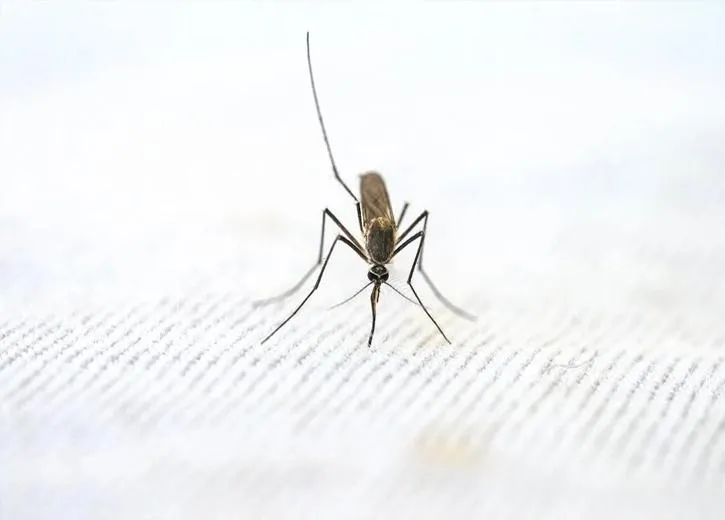
Seasonal Mosquito & “No-See-Um” Treatment Timing in Fort Myers
Introduction
Fort Myers homeowners deal with mosquitoes and no-see-ums longer than almost any other region in the country. Between tropical humidity, long summers, and frequent rainfall, these biting pests never truly disappear—they simply change behavior depending on the season. The key to controlling them is understanding when to treat, not just how to treat.
The most effective mosquito and no-see-um control in Fort Myers relies on seasonal timing. If you apply treatments too early, you waste product. Too late, and breeding cycles explode. This guide breaks down the exact seasonal windows, environmental triggers, and yard conditions that determine when treatments must be applied for maximum effectiveness.
Why Mosquitoes and No-See-Ums Thrive in Fort Myers
The Fort Myers climate creates a perfect environment for year-round activity. These pests don’t just survive—they multiply aggressively.
High humidity
Humidity accelerates their life cycle, allowing eggs to hatch faster and adults to feed more frequently.
Frequent rainfall
Rain creates countless breeding sites. Even small puddles or damp mulch can sustain larvae for weeks.
Warm temperatures
Temperatures rarely drop low enough to slow mosquito or no-see-um metabolism. As a result, population pressure never resets.
Dense vegetation
Palm trees, mangroves, shaded landscaping, and lush yards create cool, moist hiding spots used during peak sun hours.
Understanding Seasonal Treatment Timing in Fort Myers
Below is a seasonal breakdown of when and why treatments should be applied for maximum protection.
Winter (December–February): The Pre-Season Setup
Winter in Fort Myers doesn’t eliminate biting pests—it simply slows them down. This is your preparation window.
Expect:
reduced activity but continued breeding
mosquitoes hiding in vegetation
no-see-ums active around damp soil
Winter treatments focus on preventing early spring outbreaks by reducing overwintered adult populations.
Early Spring (March–April): The First Population Spike
As temperatures climb into the 80s, dormant eggs begin hatching. If you wait until you see swarms, you’re already behind.
Spring treatments create a foundation that prevents explosive summer populations.
Summer (May–September): Peak Activity Season
This is when Fort Myers experiences the highest pressure. Afternoon storms, warm nights, and heavy moisture create ideal breeding conditions.
During summer:
mosquitoes can complete their life cycle in less than a week
no-see-ums thrive in wet mulch, soil, and shaded yards
biting intensity increases dramatically
Summer requires the most consistent, frequent treatments.
Fall (October–November): The Secondary Surge
Many homeowners mistakenly believe fall means fewer pests—but in Fort Myers, this is often the second big wave.
Why?
Storm season moisture lingers, but temperatures stay warm enough for rapid reproduction.
Fall treatments keep populations from rebounding before winter and prevent infestations from carrying into the next year.
Step-by-Step Guide to Choosing the Right Treatment Timing
Below is a clear sequence that homeowners can follow to stay ahead of seasonal cycles.
1. Watch nighttime temperatures
Once nights consistently stay above 70°F, mosquitoes become fully active. Start treatments at this point—not later.
2. Track rainfall patterns
If your yard holds water for 48 hours or longer after typical rain, you’re in a high-risk breeding zone. Increase treatment frequency immediately.
3. Assess shaded or damp sections of your yard
No-see-ums thrive in:
dense landscaping
mulch beds
shaded patios
moist soil
If these areas feel damp even once a day, treatments need to start sooner.
4. Treat before storm season begins
In Fort Myers, early-season treatments (April–May) build a chemical and biological barrier that dramatically reduces summer populations.
5. Increase frequency during summer months
During peak summer, treatments every three to four weeks are ideal due to faster life cycles and wash-off from storms.
6. Reassess activity each fall
A noticeable spike in biting—especially around sunset—means post-storm moisture is fueling a fall resurgence. Resume or increase treatments.
Additional Tips for Reducing Mosquito and No-See-Um Pressure
Here are highly effective steps that complement professional treatments:
• Drain water from plant pots, buckets, and low-lying areas after storms
• Trim dense vegetation to improve airflow and reduce moisture pockets
• Replace mulch that stays damp for days at a time
• Repair screens on lanais, patios, and windows
• Add air movement—fans disrupt biting insect flight paths
These steps won’t replace treatments, but they extend their effectiveness significantly.
FAQs
Why do mosquitoes seem worse after afternoon storms in Fort Myers?
Storms create fresh water pools, and humidity spikes immediately afterward. These conditions trigger rapid feeding behavior, making mosquitoes appear in larger numbers.
Are no-see-ums active during the day?
Yes. Unlike mosquitoes, no-see-ums remain active during overcast or humid daytime hours, especially in shaded yards or near mulched areas.
Do saltwater areas around Fort Myers increase no-see-ums?
Absolutely. Many no-see-um species breed in brackish or coastal environments, so homes near waterways experience higher activity.
Can monthly treatment schedules change depending on the year?
Yes. Warmer years, heavier rainy seasons, or storm cycles may require shorter intervals to maintain control.
Why do bites feel worse during summer?
High humidity and heat intensify allergic reactions in many people, making bites from both mosquitoes and no-see-ums more painful and swollen.
Conclusion
Seasonal timing is the most important factor in controlling mosquitoes and no-see-ums in Fort Myers. These pests do not operate on the same schedule as cooler climates—they thrive almost year-round and surge rapidly with humidity and rainfall. By understanding the seasonal cycles, applying treatments at the right times, and reinforcing them with smart yard maintenance, you can keep your property far more comfortable and significantly reduce biting pressure.
When managed correctly, seasonal treatments not only reduce population levels but also prevent major surges before they start.

Our Services
Helpful Links
Areas Served
Contact Information
12011 Amedicus Lane Unit 1 Fort Myers, Florida 33907
Mon - Fri: 8:00 am - 4:30 pm
Sun: Closed
*After-Hours Available by Appointment
Emergency Services Available
© 2025 All Rights Reserved | American Allegiance Pest Control