American Allegiance Pest Control
Blog
Why Ghost Ants Keep Returning & How to Stop Them in Fort Myers
Introduction
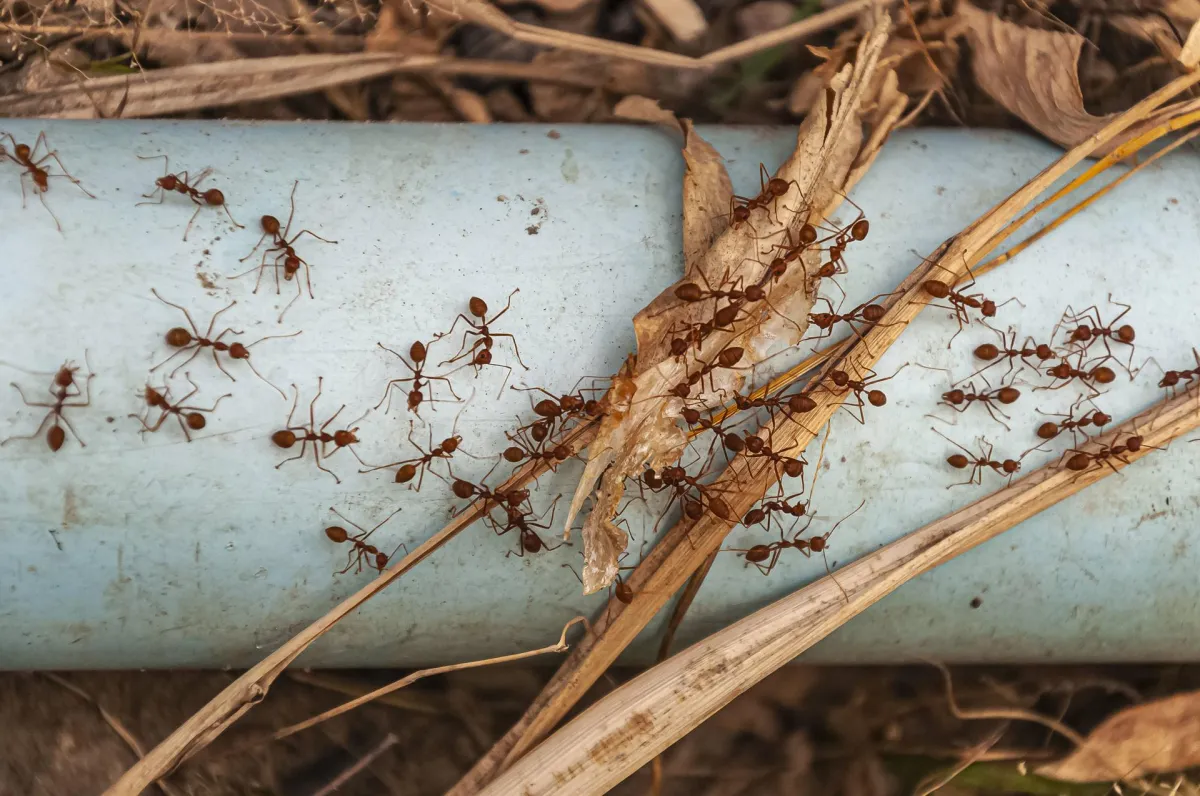
Ghost ants are one of the most persistent nuisance pests in Fort Myers, and once they invade a home, they rarely disappear without targeted, strategic control. Many homeowners believe they eliminated them—only for the ants to reappear in new corners of the kitchen, bathroom, or windowsill days later. Their small size, scattered colony structure, and moisture-driven behavior make them extremely difficult to eliminate with store-bought sprays or DIY remedies.
Stopping ghost ants requires understanding their biology, nesting habits, and the environmental conditions in Fort Myers that help them thrive. This guide explains why ghost ants keep returning, what makes them so difficult to control, and the steps needed to eliminate them for good.
Why Ghost Ants Thrive in Fort Myers
Fort Myers offers the exact conditions ghost ants need to survive year-round. Their return is rarely random—it’s driven by specific climate patterns and household factors.
Warm, humid environment
Ghost ants cannot survive in cooler northern climates, but Fort Myers’ heat and humidity allow colonies to reproduce continuously. Even minor moisture sources indoors—like sink cabinets, pet bowls, bathrooms, or leaky pipes—support their growth.
Abundant outdoor food sources
Local landscaping provides nectar, honeydew from aphids, and decaying vegetation—ideal food sources that sustain large outdoor colonies. These exterior populations frequently migrate indoors when conditions shift.
High rainfall and storm moisture
Storms saturate soil and force ghost ant colonies to relocate upward. They commonly invade homes after rainstorms because interior spaces provide warmth and stable moisture levels.
What Makes Ghost Ants Hard to Eliminate
Ghost ants behave differently than other ant species, which is why most DIY treatments fail and often make the infestation worse.
Multiple nesting sites
Ghost ant colonies split into numerous small nests rather than one large centralized colony. You may eliminate one nest, but dozens more remain active and connected to the same food network.
Colony budding
When sprayed, ghost ants panic and split into new colonies—a process known as budding. Instead of killing them, sprays often multiply the number of nests inside your home.
Preference for hidden, moist spaces
Ghost ants nest in:
wall voids
behind baseboards
under flooring
inside potted plants
behind kitchen cabinets
beneath bathroom sinks
These spaces are inaccessible to DIY sprays and require strategic bait placement.
Strong attraction to sweet foods
Soda residue, fruit juices, syrups, sugar, pet food, and even certain houseplants attract ghost ants quickly. A single uncleaned spill can restart an infestation.
How to Stop Ghost Ants from Returning
Below is a structured step-by-step approach that stops ghost ants at the source rather than temporarily chasing them away.
1. Identify and eliminate moisture sources
Ghost ants always follow water. Check for:
seepage under sinks
sweating pipes
AC line condensation
leaking dishwasher seals
damp bathroom corners
overwatered indoor plants
Fixing moisture issues immediately reduces the environmental conditions ghost ants rely on.
2. Avoid using sprays on visible ant trails
Sprays kill only the workers you see and cause colony budding, making infestations worse. If you’ve sprayed and the ants scattered into multiple rooms, budding has already occurred.
3. Use targeted ant baits correctly
Gel baits and slow-acting insect growth regulators (IGRs) are the most effective solutions because worker ants carry them back to the nest. The goal is not to kill the foragers—it’s to eliminate the colony.
4. Remove food sources consistently
Ghost ants have extremely strong sugar preferences. Even minimal residue attracts them.
Effective food management includes:
wiping sugary spills immediately
keeping fruit in sealed containers
rinsing plates before placing them in the dishwasher
cleaning pet bowls daily
storing cereals and snacks in airtight bins
These small steps dramatically reduce attractants.
5. Seal high-risk entry points
Ghost ants enter through gaps so small most homeowners don’t notice them.
Highest-risk areas include:
window frame gaps
gaps around plumbing
cracks in baseboards
weep holes in brick
cable/utility entry points
A combination of caulk and fine-mesh screening helps reduce recurrent entry.
6. Maintain consistent exterior treatment
Exterior colonies fuel indoor infestations. Without perimeter treatment, ghost ants keep migrating inward—especially after rain.
Professional-grade perimeter applications around the home’s base, vegetation, and moisture zones create a barrier that prevents constant reinvasion.
Additional Tips for Long-Term Prevention
Below are extra measures that significantly reduce the chances of ghost ants returning:
• Trim vegetation touching the home, which acts as ant highways
• Keep mulch thin to prevent moisture pockets where colonies form
• Avoid leaving wet sponges or dish rags on countertops
• Clean sink drains regularly where sweet residue collects
• Reduce clutter around baseboards where ants travel unseen
These steps reinforce long-term success and lower colony pressure around your property.
FAQs
Why do ghost ants suddenly appear in the bathroom?
Bathrooms offer ideal humidity, water access, and warm wall voids. Ghost ants migrate there during dry weather or after outdoor disturbances.
Do ghost ants bite or cause health risks?
Ghost ants do not bite, but they contaminate surfaces while foraging. They often explore kitchens, sinks, and food areas.
How long does it take to eliminate a ghost ant colony?
Depending on colony size and number of satellite nests, successful elimination typically takes one to three weeks with consistent baiting and moisture control.
Why do ghost ants return after rain?
Rain floods their soil nests, forcing them indoors where moisture levels are stable. Homes with gaps around the exterior become prime relocation spots.
Can ghost ants infest electronics or appliances?
Yes. They often travel into warm electronics or appliances seeking shelter. Ant activity inside power strips or outlets is a serious sign of budding colonies.
Conclusion
Ghost ants are persistent, adaptable, and perfectly suited to Fort Myers’ warm, humid climate. Their ability to split colonies, relocate rapidly after rain, and exploit tiny moisture sources makes them one of the hardest pests for homeowners to eliminate on their own. Lasting control requires more than spraying trails—it demands addressing moisture issues, removing attractants, sealing entry points, and applying targeted treatments designed for colony-level elimination.
By taking a strategic, consistent approach, Fort Myers homeowners can finally break the cycle of recurring ghost ant invasions and maintain a pest-free home year-round.

Our Services
Helpful Links
Areas Served
Contact Information
12011 Amedicus Lane Unit 1 Fort Myers, Florida 33907
Mon - Fri: 8:00 am - 4:30 pm
Sun: Closed
*After-Hours Available by Appointment
Emergency Services Available
© 2025 All Rights Reserved | American Allegiance Pest Control