
American Allegiance Pest Control
Blog
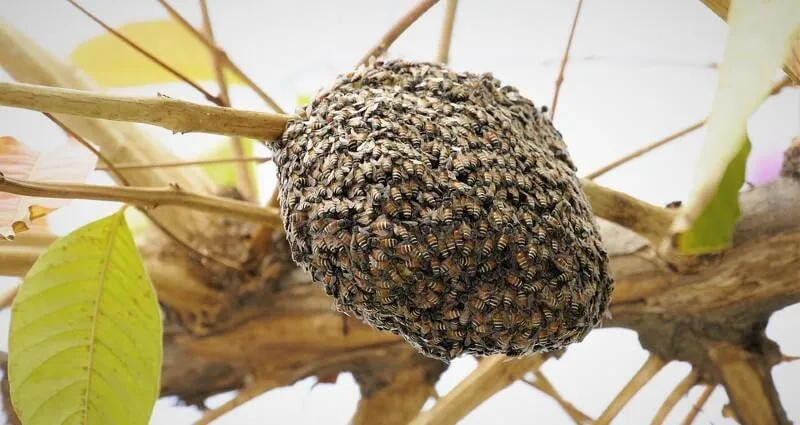
Bee Nest Removal: What Fort Myers Homeowners Should Know
Introduction
Fort Myers homeowners often discover bee nests suddenly—inside soffits, under rooflines, behind shutters, or tucked inside irrigation boxes. Because of our warm climate and long flowering seasons, bees stay active for most of the year, and nest-building can happen fast. While bees are essential pollinators, a nest too close to your home creates safety issues, structural risks, and in some cases, aggressive defensive behavior.
Removing or relocating a bee nest isn’t as simple as spraying or knocking it down. Bees behave differently depending on the season, nest maturity, weather conditions, and species. Certain removal mistakes can even drive bees deeper inside the home, cause swarming, or create honeycomb damage that attracts rodents and termites. This guide explains what Fort Myers homeowners need to know about identifying, responding to, and safely addressing bee nests on their property.
Why Bee Nest Removal Is Different in Fort Myers
Because of local climate conditions, bee activity in Fort Myers doesn’t follow the same seasonal patterns as northern states.
Warm temperatures year-round
Bees in Fort Myers rarely enter a deep dormant phase. Established colonies remain active even in winter, meaning nests remain a risk every month of the year.
Multiple blooming cycles
Plants and trees flower across multiple seasons, giving bees constant resources and increasing nest formation opportunities.
Frequent storms and structural vulnerabilities
Storms and strong winds can loosen soffits, fascia, siding, and roofing components. Bees use these openings to establish nests in wall cavities or attic spaces.
Proximity to water and vegetation
Fort Myers neighborhoods with ponds, mangroves, and dense landscaping provide ideal bee foraging and nesting environments.
Types of Bee Nests Commonly Found in Fort Myers
Knowing what type of bees you’re dealing with helps determine the urgency, risks, and best removal method.
Honey bees
Honey bees often nest inside structural cavities such as soffits, wall voids, and roofs. A mature honey bee colony can contain tens of thousands of bees and several pounds of honeycomb. If left untreated, melting honeycomb can damage walls, attract pests, and cause long-term structural issues.
Bumble bees
Bumble bees usually nest in the ground, abandoned burrows, or hidden corners of sheds. While less aggressive than other species, their nests grow rapidly in warm climates.
Carpenter bees
Carpenter bees bore into wood, creating round entry holes in fascia boards, deck rails, pergolas, and trim. While they don’t create paper nests, their tunneling weakens wooden structures over time.
Wasps and hornets (misidentified as bees)
Homeowners frequently mistake wasps—especially paper wasps and yellow jackets—for bees. These species build open paper nests and are far more aggressive. Correct identification is essential before any removal attempt.
Signs You Need Professional Bee Nest Removal
Below are the key indicators that a bee nest is beyond DIY handling and requires a licensed technician.
You see bees entering and exiting the same gap
Consistent traffic into a wall, soffit, or roofline indicates an established colony—not just a few stray bees. This means a nest is actively growing inside.
Buzzing or humming noises inside walls or ceilings
This usually signals a large colony and significant honeycomb buildup.
Bees swarm or gather around window edges
Windows attract confused worker bees trying to escape from interior wall voids, meaning the nest is inside your home.
Structural staining or sticky residue
Dark stains on walls or ceilings may indicate melting honeycomb seeping outward, which attracts ants, roaches, and rats.
Nest activity continues for several days
If bees remain active beyond 48–72 hours, the nest is stable and will keep growing.
Step-by-Step Guide: What Fort Myers Homeowners Should Do
Below is a clear sequence of actions to follow once you suspect a bee nest.
1. Observe from a distance
Identify the entry point but do not block or disturb it. Blocking holes forces bees deeper into the home.
2. Determine if the bees pose immediate danger
If the nest is near a front door, walkway, pool area, or children’s space, call a professional immediately. Aggressive behavior escalates when bees feel vibrations or foot traffic.
3. Avoid spraying DIY chemicals
Pesticides often kill only the outer bees, leaving the queen alive. Surviving bees then relocate deeper into walls, making professional removal more complicated and expensive.
4. Keep pets and children away
Bees defend their colony, and repeated disturbances can increase stinging incidents.
5. Contact a professional for safe removal or relocation
Licensed pros identify the species, assess nest size, and choose the appropriate removal or relocation method. In Fort Myers, many nests—especially honey bees—should be relocated rather than exterminated when safely possible.
6. Repair entry points afterward
Once removal is complete, sealing the entry is essential. Leaving gaps open invites new colonies within weeks.
Additional Tips to Prevent Bee Nest Formation
Below are practical steps that reduce your risk of future nests:
• Repair soffit gaps, loose fascia boards, and roofline separations after storms
• Remove rotting or unfinished wood that may attract carpenter bees
• Seal cracks around exterior utility lines and cable penetrations
• Store outdoor equipment away from walls where bees may hide underneath
• Trim dense vegetation where bees often forage or scout for nesting sites
These measures decrease the likelihood of bees choosing your home as their next nesting location.
FAQs
How long does it take for a bee nest to become dangerous?
A small nest can become large enough to cause structural or safety concerns in just a few weeks due to Fort Myers’ warm climate and abundant foraging sources.
Can bees damage the interior structure of a home?
Yes. Honeycomb melts in extreme heat, causing sticky residue to seep into wall cavities. This leads to odors, stains, mold, and secondary pest infestations.
Should I remove a nest myself if it looks small?
Even small nests can contain hundreds of bees. Disturbing them without proper equipment can trigger aggressive defensive behavior.
Why are bees returning to the same area every year?
Bees follow pheromone trails. If the original nest wasn’t removed completely, residual scent draws new colonies back.
Are bees protected in Florida?
Honey bees are not legally protected, but professionals prioritize relocation whenever safe because they are beneficial pollinators.
Conclusion
Bee nests in Fort Myers form quickly, expand rapidly, and pose unique risks due to our warm climate and frequent storms. Whether the nest is inside a soffit, behind siding, or buried in landscaping, the safest and most effective solution is professional removal. Experts know how to handle species variations, safely relocate beneficial bees, and prevent structural damage caused by honeycomb or repeated nesting attempts. Acting early prevents costly repairs, health risks, and persistent bee activity around your home.

Our Services
Helpful Links
Areas Served
Contact Information
12011 Amedicus Lane Unit 1 Fort Myers, Florida 33907
Mon - Fri: 8:00 am - 4:30 pm
Sun: Closed
*After-Hours Available by Appointment
Emergency Services Available
© 2025 All Rights Reserved | American Allegiance Pest Control